How The Eyes Don’t Lie Connects Clinical Research with Everyday Life
Dermatologist Dr. Neelam Vashi explores "Snapchat Dysmorphia," adolescent identity, and the power of natural portraits for Youmanity's Eyes Don’t Lie Project
Conversations about social media filters often stop at screen time or vanity. Behind the digital edits, however, lies a deeper shift in how people view themselves, and what young people feel pressured to look like in order to fit in.
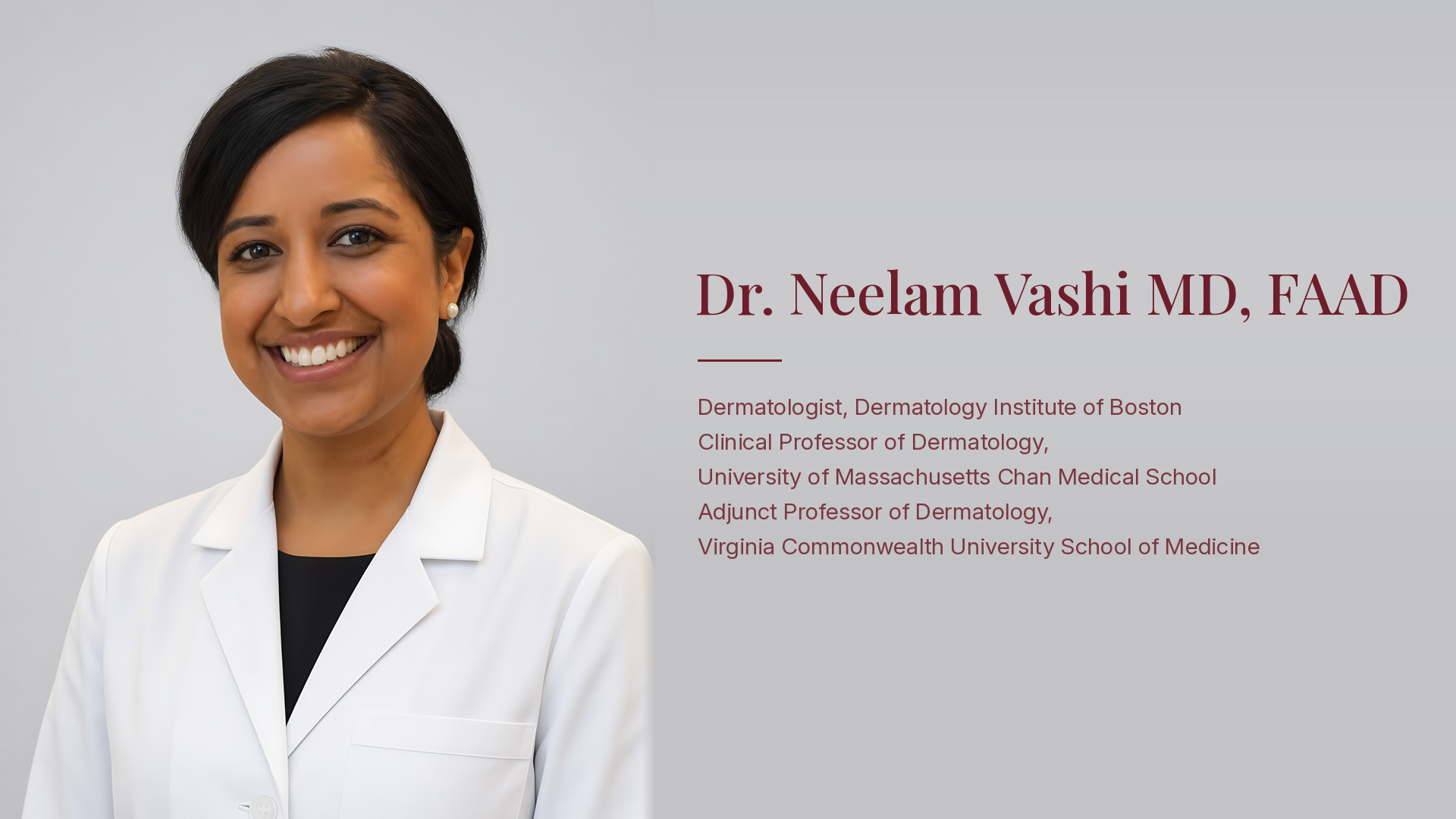
In her speech prepared for The Eyes Don’t Lie (Gli Occhi Non Mentono) panel on Sunday, November 29, dermatologist, clinical educator, and researcher Dr. Neelam Vashi examines how clinical observations connect with an interdisciplinary project bringing together medicine, psychology, education, and photography.
A Shift Inside the Clinic
Throughout her career, Dr. Vashi has studied how beauty standards evolve and how they shape self-perception. In 2017, she and her colleagues published research showing that traditional beauty ideals were becoming more inclusive across ages, ethnicities, and skin tones.
At roughly the same time, she began noticing a very different trend among her patients. Rather than bringing in photos of celebrities they wanted to resemble, patients were arriving with edited photos of themselves. Using social media filters, they asked for smoother skin, larger eyes, and altered facial features modeled on what they saw on their screens. In 2018, Dr. Vashi and her co-authors published a paper documenting this pattern, which quickly became known as Snapchat Dysmorphia.
For Dr. Vashi, the main issue was never simply that an image could be retouched. What worried her was how those tools were changing people's self-image and rewriting what they believed they had to look like to be considered attractive.
Why Adolescence Matters Most
These pressures hit hardest during adolescence, when young people are still forming their identity, confidence, and sense of self-worth. Experiencing a changing body while comparing oneself to filtered images can turn normal development into constant self-doubt.
That connection is what drew Dr. Vashi to The Eyes Don’t Lie. Instead of keeping the discussion inside medical circles, the project pairs clinical and psychological perspectives with schools and visual art. It features unretouched portraits by photographer Nico Nardomarino made with students from the Carelli School, alongside Youmanity and local institutional and community partners.
"Behind every image is a real person, with a unique identity, a story and a value that cannot be measured by appearance."
— Dr. Neelam Vashi
Individuality Is Not an Imperfection
Speaking as a physician, researcher, and mother, Dr. Vashi emphasizes that young people need to hear that individuality is not a flaw to fix. Differences deserve to be valued rather than erased, and beauty should never be decided by an algorithm or a digitally manufactured template.
Scientific research, she points out, matters most when it steps outside academic journals to build awareness and improve lives. Her hope is that The Eyes Don’t Lie sparks honest conversations among students, parents, teachers, healthcare professionals, and communities, reminding a new generation that they do not have to change their appearance to be seen, valued, and accepted.